Excellent over 250 kilometres separate Romania’s western city of Oradea from Budapest in Hungary, nonetheless except these days the 2 cities shared one more distinction: each and each had refused to enable Pleasure marches.
Hungary’s capital hosted a Pleasure match this yr no subject authorities opposition. Oradea is now the easiest critical city in the European Union where native authorities proceed to disclaim permission for a Pleasure march, after refusing to authorise the 2026 match on Wednesday.
“The City Hall has decided to no longer approve the match. All 115 imaginable routes proposed by the organisers are concentrated in the town’s central site … These routes are unavailable because they overlap with other licensed occasions, or are tormented by critical public infrastructure works,” municipal spokesperson Octavian Haragoș mentioned, as quoted by the native news outlet ebihoreanul.ro.
The municipality did no longer indicate why different routes outdoors the town centre would per chance per chance no longer be belief about. The choice adopted weeks of delays by the town council in ruling on the organisers’ inquire of, where conservative councillors and non secular groups dominated the debate.
Human rights groups condemned the choice, arguing that it violates the constitutional correct to clean assembly.
“We maintain in suggestions this decision entirely unacceptable since it effectively blocks contributors’s constitutional correct to clean assembly,” Victor Ciobotaru, director of ACCEPT, Romania’s leading LGBTQ+ rights organisation, advised BIRN.
“Underneath Romanian regulations, native authorities can’t ban a public march. Their goal is to call useful solutions to make certain that such occasions can rob speak safely and below appropriate prerequisites, to no longer waste them altogether,” Ciobotaru added.
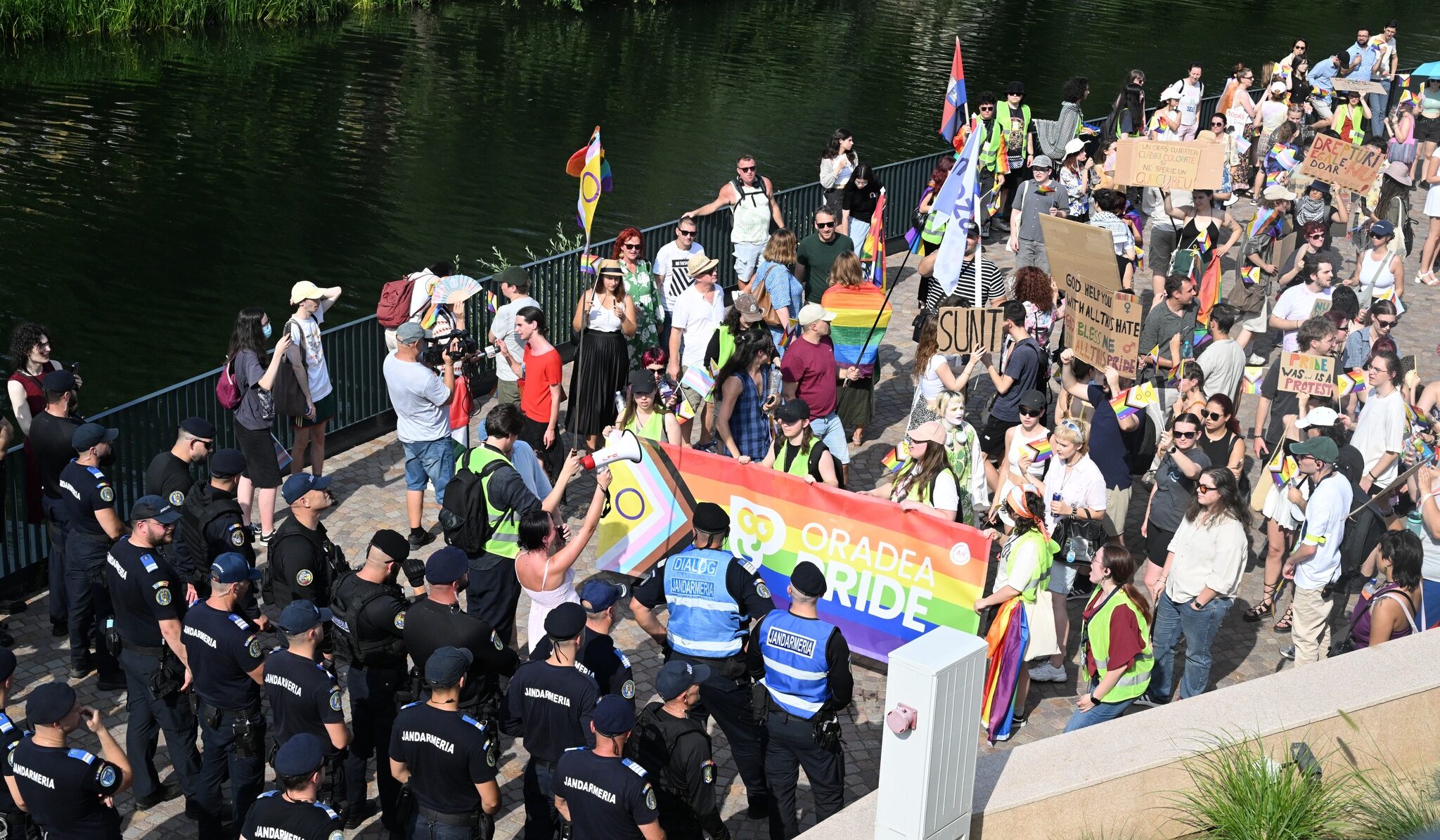
Citing the identical upright argument, ARK Oradea, the organisation in the abet of the town’s Pleasure Parade, mentioned the march would hurry ahead on July 25 no subject the municipality’s refusal to authorise it.
“Our march will rob speak … As a signal of cohesion and put for the distress in Oradea, representatives of 9 diplomatic missions licensed to Romania, as neatly as representatives of the Ombudsman Establishment, will seemingly be show conceal in Oradea to song the unfolding of occasions,” ARK mentioned, adding that the presence of diplomats reflects rising world put over restrictions on freedom of assembly and LGBTQ+ rights in Romania.
This marks the fourth consecutive yr that Oradea’s authorities have refused to authorise the Pleasure Parade.
Last yr, alternatively, an unauthorised march became once peaceful held by the town centre, attended by diverse hundred largely teenagers. There had been transient scuffles between some contributors and the police nonetheless the distress did no longer escalate.
Authorities later imposed fines totalling 19,800 lei (about 3,900 euros) on organisers and contributors in the unauthorised march
Romania has made growth on LGBTQ+ rights since becoming a member of the European Union in 2007 nonetheless continues to unpleasant amongst the bloc’s weakest performers by methodology of upright protections and social acceptance.
Consensual identical-sex relatives were upright since 2001, nonetheless identical-sex marriage and civil partnerships have to no longer recognised, no subject a 2023 ruling by the European Court of Human Rights requiring Romania to include upright recognition and protection for identical-sex couples.
Public attitudes in direction of LGBTQ+ contributors stay largely conservative, particularly outdoors critical cities. Pleasure marches were held once a year in Bucharest for two a protracted time, alternatively, and in diverse alternative cities, generally below police protection and with out critical incidents.
Human rights organisations have urged Romania to toughen anti-discrimination protections and entirely put in power European human rights standards, arguing that it is miles lagging in the abet of by methodology of the country’s commitments as an EU member.